What Receding Gums Look Like and Why They Happen
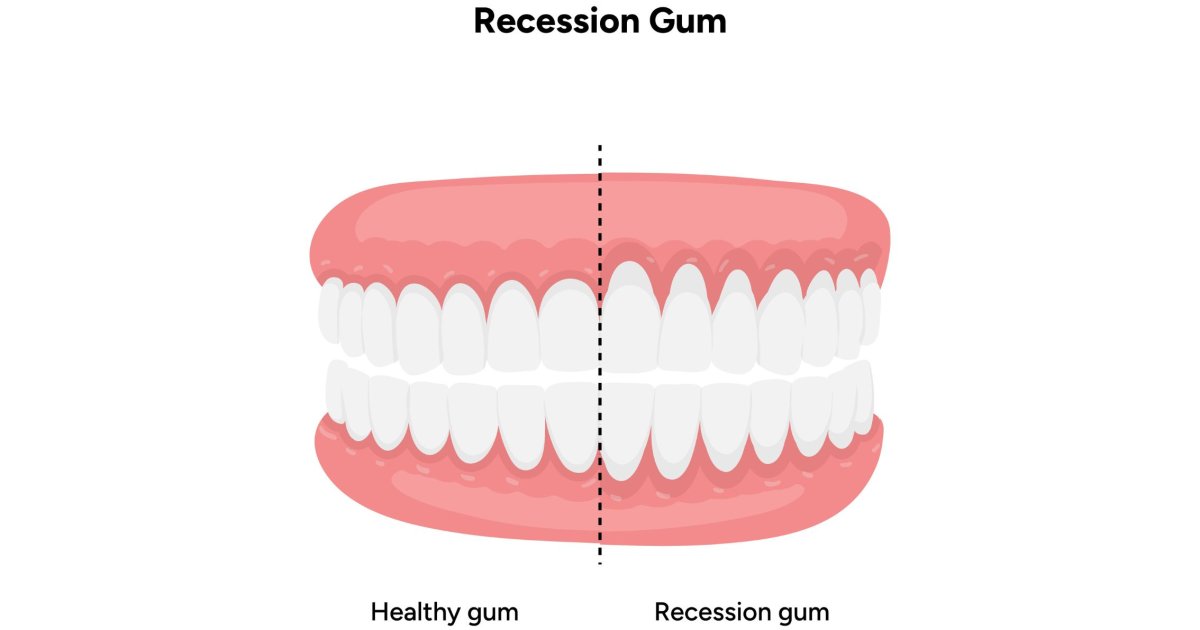
Gum recession develops slowly, which is exactly why it’s easy to miss until it’s already progressed. Knowing what healthy gums look like, and what changes to watch for, makes it far easier to catch recession early — while it needs less involved treatment and the outlook is better.
This guide covers what receding gums actually look like at different stages, and why the condition happens in the first place.
What Healthy Gums Look Like
Healthy gum tissue sits at a consistent height around each tooth, covering the root surface completely. It’s firm rather than soft or puffy, with colour that varies naturally between individuals, and doesn’t bleed when you brush or floss. Running your tongue along the gumline shouldn’t reveal any notches, grooves, or rough transitions between tooth and gum.
This baseline matters because recession is a comparison, and without a clear memory of what your gums looked like years ago, the change can go unnoticed for a long time.
What Receding Gums Actually Look Like
Recession doesn’t appear the same way at every stage. What you’d notice — if you noticed anything at all — depends on how far it’s progressed.
Early Signs
In the earliest stages, changes can be subtle enough that only a dentist measuring gum pocket depth at a check-up picks them up. You might notice mild sensitivity to cold, or nothing at all.
Moderate Signs
As recession progresses, the signs become easier to spot yourself:
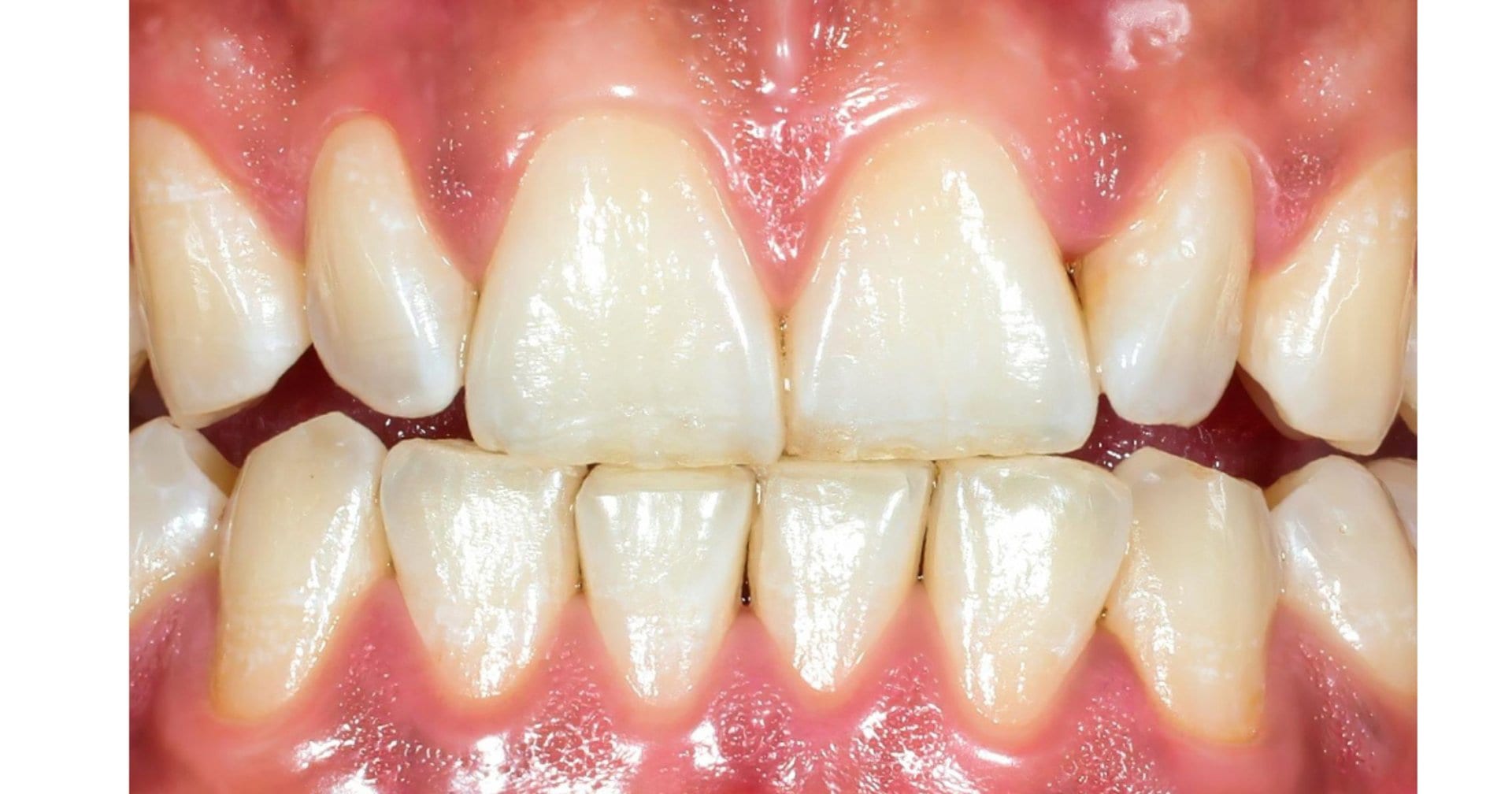
- Teeth that look slightly longer than they used to, particularly near the gumline
- A visible change in colour and texture where the root surface has started to show — root surface looks more yellow and feels rougher than the white, smooth enamel above it
- A notch or groove where the gum meets the tooth, sometimes felt with the tongue before it’s visually obvious
- Sensitivity to cold, sweet, or sour that’s new or more noticeable than before
More Advanced Signs
In more advanced cases, root exposure becomes significant and hard to miss:
- A clearly visible difference in tooth length compared to surrounding teeth
- Gum tissue that looks thin in places, occasionally with a translucent appearance
- In cases involving bone loss alongside recession, teeth that feel less stable than they used to
Any of these signs are worth having assessed, rather than waiting to see whether they progress further.
How to Check Your Own Gums Between Visits
A rough self-check between dental visits can help you notice change earlier, even though it’s not a substitute for a professional assessment. In good light, in front of a mirror:
- Compare the gumline on one side of your mouth to the other — recession can be more noticeable on one side or around specific teeth rather than evenly across the whole mouth.
- Run your tongue gently along the gumline, feeling for any notches or grooves you haven’t noticed before
- Take a photo every few months from the same angle. Small, gradual changes are much easier to spot in a side-by-side comparison than from memory alone.
- Note whether cold drinks or sweet foods feel more noticeable than they used to
None of this replaces a clinical measurement of gum pocket depth, which is the only way to track recession properly, but it can help you notice a change worth mentioning at your next visit — or worth bringing forward sooner if something seems off.
Why Gum Recession Happens
Recession isn’t the result of a single factor — it develops from ongoing pressure on the gum tissue, whether mechanical, bacterial, or structural.
Brushing Technique
Firm bristles, heavy pressure, or a scrubbing motion wear away gum tissue over time. This is a mechanical cause rather than a bacterial one, showing up on the outer surfaces of the teeth in particular, where brushing pressure is highest.
Gum Disease
Periodontal (gum) disease develops when bacteria in dental plaque trigger inflammation that can damage the tissues and bone supporting the teeth. As those structures deteriorate, the gum pulls back. This can be accompanied by other signs, including bleeding, swelling, or bad breath.
Teeth Grinding
Clenching or grinding places sustained force on the teeth and surrounding tissues. Over time, this can contribute to recession, alongside other signs like a worn bite or morning jaw soreness.
Thin Gum Tissue and Tooth Position
Individual differences in gum tissue thickness can influence the risk of gum recession, even when oral hygiene is good. Teeth that sit slightly outside the normal arch, or a tooth positioned more toward the outer edge of the jaw, can also carry thinner gum coverage in that specific spot, making it more vulnerable.
Oral Hygiene
Both too little brushing and flossing, and overly aggressive technique, can contribute to recession — just through different mechanisms. Inadequate cleaning allows plaque to build up and inflame the gums; aggressive cleaning wears the tissue down directly.
Oral Piercings
Lip and tongue piercings are a documented cause of localised recession, from repeated contact between the jewellery and the gum tissue. We’ve covered this in more detail in a separate piece on the side effects of oral piercings if that’s relevant to you.
Is Gum Recession Reversible?
Gum tissue that’s already receded doesn’t grow back on its own. Improving the underlying cause — a gentler brushing technique, treating gum disease, addressing grinding — can stop recession from progressing further, but it won’t restore tissue that’s already been lost. Where root exposure is significant, professional treatment options exist to restore lost coverage; an examination is what determines whether that applies to your situation and which approach fits.
Conditions That Can Look Similar
A few other changes can look like gum recession at a glance, which is part of why a professional assessment matters:
- Gum disease without significant recession yet — swollen, red, or bleeding gums can make teeth look different without the gumline having actually pulled back.
- Natural variation in gum shape — some people naturally have less gum coverage on certain teeth without any active recession taking place.
- Enamel wear near the gumline — a notch caused by abrasion or erosion can resemble the notch felt in recession, without the gum tissue itself having moved.
A clinical exam, including a gum pocket measurement, is what distinguishes between these — self-assessment alone can point you in the right direction but can’t confirm what’s actually happening.
When to See a Dentist About Receding Gums
It’s worth having your gums checked if you notice any of the signs above, even if they seem minor. This isn’t a checklist for diagnosing the cause yourself — several different factors can produce similar-looking changes, and identifying which one (or combination) is driving your recession is what determines the right approach. Regular check-ups also catch recession at the early stage, when a dentist measuring gum pocket depth may notice change well before you would.
Frequently Asked Questions
What does gum recession look like in the early stages?
Nothing you’d necessarily notice yourself — early recession is something a dentist can pick up by measuring gum pocket depth at a routine check-up, sometimes with mild sensitivity as the only symptom.
Can gums that are receding regrow on their own?
No. Gum tissue that’s receded doesn’t regenerate without treatment. Addressing the underlying cause can stop further recession, but restoring lost tissue requires a professional assessment.
Is gum recession painful?
The sensitivity it can cause — particularly to cold or sweet — is what people notice, more than pain from the recession itself. This is part of why it can go unnoticed until sensitivity develops.
Can teeth grinding cause receding gums?
Yes, sustained pressure from grinding or clenching can contribute to recession over time, alongside other signs like a worn bite or jaw soreness.
How is gum recession different from gums just changing with age?
Gum tissue doesn’t recede purely from ageing on its own — it’s driven by identifiable factors like brushing technique, gum disease, grinding, or genetics. It becomes more likely as people get older mainly because those contributing factors accumulate over time, not because ageing itself causes it.
Book a Gum Check in Bondi Beach
If you’ve noticed any of the signs above — or simply want your gums checked as part of a routine visit — an assessment is a reliable way to know where things stand. Bondi Dental sees patients from Bondi Beach and the wider Eastern Suburbs.
Call us on (02) 9365 7187 or book online. You’ll find us at 136 Curlewis St, Bondi Beach NSW 2026.
Any surgical or invasive procedure carries risks. Before proceeding, consider seeking a second opinion from an appropriately qualified health practitioner.