Tooth Anatomy: The Types of Teeth and What Each One Does
Your teeth are not all the same, and they are not meant to be. Each type has a shape that suits a particular job, from biting into food to grinding it down before you swallow. Knowing the types of teeth makes it easier to understand what your dentist is pointing out at a check-up.
This article covers the four types of teeth, what each one does, how baby and adult teeth differ, and the parts inside a tooth.
The Four Types of Teeth
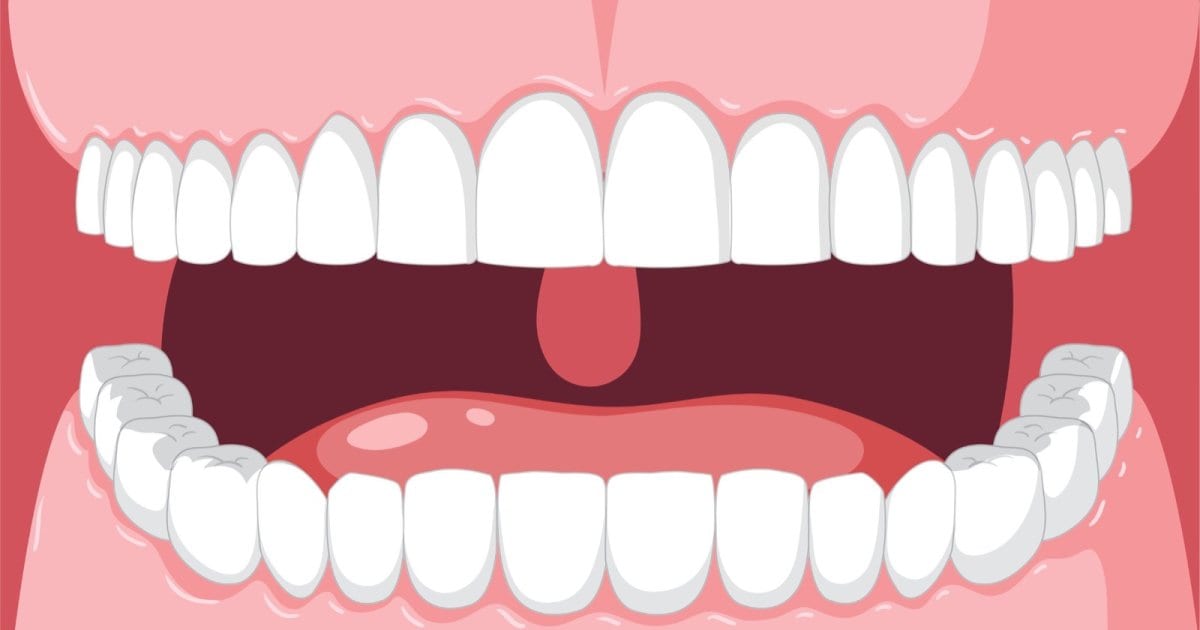
Adults have four types of teeth: incisors, canines, premolars and molars. Together they let you bite, tear, crush and grind food. They also help with speech and support the shape of your lips and cheeks.
Moving from the front of the mouth to the back, teeth go from thin and sharp to broad and flat. Each type is covered below.
Incisors
Incisors are the flat-edged teeth at the very front of the mouth, top and bottom. Their thin biting edge is shaped for cutting, such as when you bite into an apple or slice through a sandwich.
They are also the teeth visible when you smile, and they help shape sounds when you speak. Because they sit at the front, incisors can be chipped in knocks and falls. A chipped or cracked tooth needs to be checked by a dentist, as what is suitable depends on how much of the tooth is affected.
Canines
Canines sit on either side of the incisors, at the corners of the mouth. They are pointed, and they have a long root that anchors them in the jaw.
Their shape is made for gripping and tearing food, such as meat or crusty bread. They also help guide how your upper and lower teeth meet when you close your mouth.
Premolars
Premolars sit between the canines and the molars. They have a flatter top than canines, with raised points called cusps and grooves between them.
They help bite and break down food, making it easier for the molars to grind it during chewing. The grooves on the chewing surface can trap food and plaque, so they need thorough cleaning.
Molars
Molars are the largest teeth, at the back of the mouth. They have a broad, flat chewing surface with several cusps, and several roots that hold them firmly in the jaw. They do most of the grinding, breaking food down so it is ready to swallow.
Wisdom teeth are the last set of molars. They usually come through around age 18 to 25. It is common for wisdom teeth not to develop, or not to have room to come through, so many patients have only 28 teeth. If a wisdom tooth is causing trouble, you can read more in our article on wisdom tooth removal.
Baby Teeth and Adult Teeth
There are two sets of teeth during a lifetime. According to Healthdirect, children have 20 baby teeth, and the Raising Children Network states that adults have 32 teeth, including wisdom teeth.
Children usually have all of their baby teeth by about age 3, and baby teeth start to loosen around age 6. Timing varies from child to child, so if you are concerned about your child's teeth, a dentist can check how they are developing.
Baby teeth have a thinner enamel covering and narrower roots than adult teeth. They also hold space in the jaw for the adult teeth underneath. Decay in baby teeth can still cause problems, which we cover in our article on tooth decay in baby teeth.
The Anatomy of a Tooth
Whatever its type, every tooth has the same basic layers. Here are the parts in words.
- Crown: The part you can see above the gum line.
- Enamel: The hard outer layer that covers the crown.
- Dentine: The layer under the enamel. It is softer than enamel and contains tiny channels that lead towards the centre of the tooth.
- Pulp: The soft centre of the tooth, which contains nerves and blood vessels.
- Root: The part below the gum line that anchors the tooth in the jawbone. Some teeth have one root and others have several.
- Cementum and gum: Cementum covers the root, and the gums and jawbone support the tooth around it.
When decay or damage reaches the deeper layers, you might notice sensitivity or toothache. These symptoms can have several causes, so it is better to have a dentist examine the tooth than to guess.
Looking After Every Type of Tooth
Each type of tooth has its own trouble spots. Grooves on premolars and molars can hold plaque, front teeth can chip, and every tooth can be affected by gum disease.
Daily habits help protect all of them: brushing with fluoride toothpaste, cleaning between your teeth, limiting sugary snacks and drinks, and having regular check-ups. A visit for a check-up and cleaning is part of general dentistry, and it gives your dentist the chance to spot problems early.
Frequently Asked Questions
How many types of teeth are there?
There are four types of teeth: incisors, canines, premolars and molars. Each has a shape suited to a different part of chewing.
Why do some patients have fewer than 32 teeth?
One common reason is wisdom teeth, which may not develop or may not have room to come through. Teeth can also be lost to decay, gum disease or injury. A dentist can talk through your situation after an examination.
Should I see a dentist if one of my teeth looks different?
Yes. A change in shape, colour or position, or a tooth that feels different, is worth having checked. Only an examination can show what is causing it.
Questions About Your Teeth
Each type of tooth has a role, and keeping all of them healthy supports how you eat, speak and smile. If something about your teeth is not sitting right, it is worth getting it looked at.
Book a Check-up in Bondi Beach
If you have questions about any of your teeth, book a visit with our team.
At Bondi Dental, we see patients from Bondi Beach and the wider Eastern Suburbs.
Call (02) 9365 7187 or book online. You’ll find us at 136 Curlewis St, Bondi Beach NSW 2026.
Sources
- Australian Dental Association, Dental care for kids
- healthdirect, Mouth and teeth (last reviewed February 2026)
- Pregnancy, Birth and Baby, Teething and baby teeth (last reviewed April 2025)
- Raising Children Network, Teeth development in adolescence
This article is general information only and is not a substitute for professional dental advice.