How to Prevent Cavities: Dentist-Approved Tips for a Healthier Smile

Cavities are one of the most common dental problems in Australia, but they are largely preventable. Good daily habits, the right products, and regular professional care go a long way toward keeping decay at bay. Here are our dentist-approved tips for protecting your teeth.
Dentist-Approved Tips for Preventing Cavities
Brush Twice Daily — and Do It Properly
Brushing twice a day is the foundation of cavity prevention. Using a soft-bristled toothbrush and fluoride toothpaste, brush for a minimum of two minutes, covering every surface of your teeth. Change your toothbrush every 3 to 4 months or earlier if the bristles are frayed.
Electric toothbrushes may remove plaque more effectively than manual brushing, especially for those who find the technique challenging.
Floss Daily
Toothbrushing alone cleans about 60% of your teeth. Flossing removes plaque and food particles from between your teeth and along the gum line — areas your toothbrush cannot reach. If standard floss is difficult to use, interdental brushes or a water flosser are good alternatives.
Use Fluoride
Fluoride helps strengthen tooth enamel and improves its resistance to acid attacks from bacteria. Use a fluoride toothpaste as a minimum. Your dentist may suggest fluoride treatments or a fluoride mouthrinse if your risk of decay is higher.
Watch Your Diet
What you eat and drink has a significant impact on your cavity risk. Oral bacteria use sugar as fuel, creating acid that gradually erodes enamel and results in decay.
To reduce your risk:
- Avoid or limit sugary and acidic products, including soft drinks, fruit juices, lollies, and biscuits.
- Choose water over sugary drinks — tap water in Australia contains fluoride.
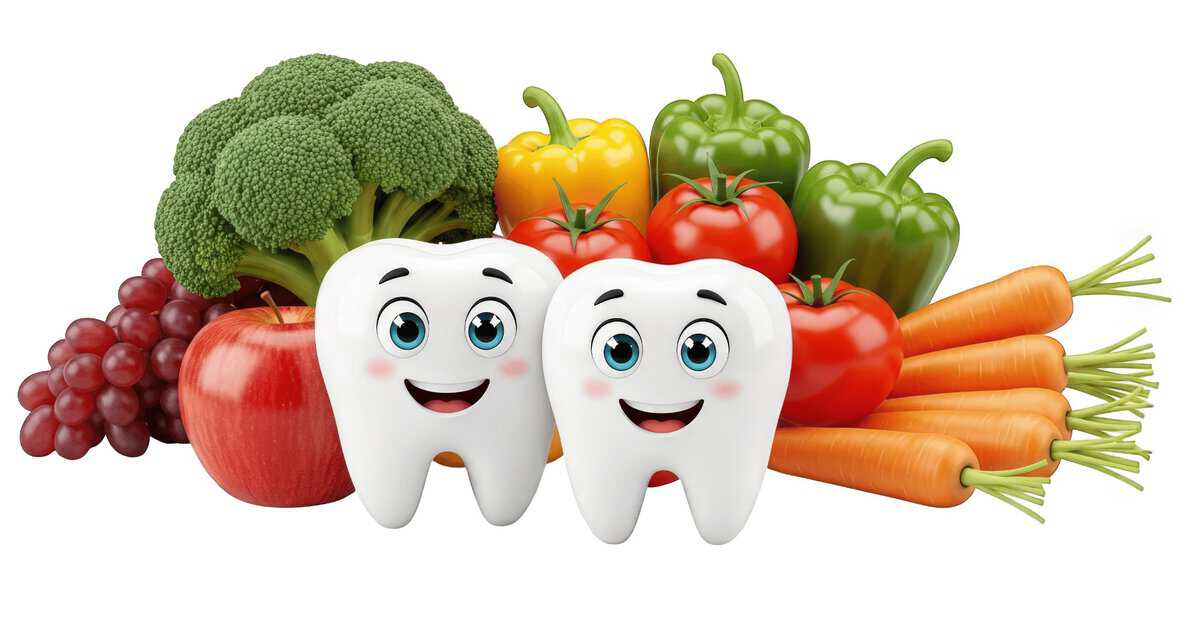
- Eat tooth-friendly foods such as dairy products, leafy greens, and crunchy fruits and vegetables, which stimulate saliva flow and help neutralise acid.
- Avoid frequent snacking between meals, which keeps acid levels elevated throughout the day.
Don’t Skip Regular Dental Check-Ups
Visiting the dentist every six months supports early detection of decay before it develops into or worsens a cavity. At each appointment, your teeth are assessed, X-rays may be taken, and a professional dental cleaning removes tartar that regular brushing cannot.
At Bondi Dental, our dental check-up and clean appointments are designed to keep your teeth in the best possible condition between visits.
Consider Dental Sealants
A dental sealant is a protective layer placed on the chewing surfaces of back teeth, where decay commonly starts. They are commonly recommended for children and teenagers, but may also assist cavity-prone adults. Your dentist can advise if they are appropriate for you.
Stay Hydrated
Saliva is your mouth’s natural defence against decay — it neutralises acid and washes away food particles. Staying well hydrated throughout the day supports healthy saliva production. If you have dry mouth, let your Bondi Beach dentist know, as it significantly increases your risk of decay.
FAQs
How often should I visit the dentist to prevent cavities?
Most patients are advised to attend a check-up and clean every six months. If you have a higher risk of decay — due to diet, dry mouth, or a history of cavities — more frequent dental visits may be recommended by your Bondi Beach dentist.
Is fluoride toothpaste safe to use every day?
Yes. Fluoride toothpaste is safe and recommended for daily use by adults and children over the age of two. It is one of the most effective tools available for preventing tooth decay.
Can cavities form even if I brush twice a day?
Yes, particularly if you are not flossing, consume a lot of sugar, or have deep grooves in your back teeth. Regular dental check-ups help catch early decay before it becomes a cavity.
Are some people more prone to cavities than others?
Yes. Genetics, diet, dry mouth, certain medicines, and the structure of your teeth can all influence your risk of cavities. Your dentist can assess your individual risk level and recommend a prevention plan suited to you.
What is the difference between a cavity and tooth decay?
Tooth decay is the process — the gradual breakdown of enamel by acid-producing bacteria. A cavity is the result — the hole that forms once decay has progressed far enough to damage the tooth structure.
Can cavities be reversed?
In the very early stages, when decay has only affected the enamel surface, it may be possible to reverse it with fluoride treatment and improved oral hygiene. Once a cavity develops, it needs professional care, usually a dental filling.
Protect Your Smile With Regular Check-Ups in Bondi Beach
The best way to prevent cavities is a combination of good daily habits and regular professional care. Our team at Bondi Dental is here to help you stay on top of your oral health. We see patients from Bondi Beach, Bondi Junction, Bronte, Tamarama, and North Bondi.
Call us on (02) 9365 7187 or book an appointment online. You’ll find us at 136 Curlewis St, Bondi Beach.