
Footy Season and Dental Injuries: How the Right Mouthguard Protects Your Smile on the Field
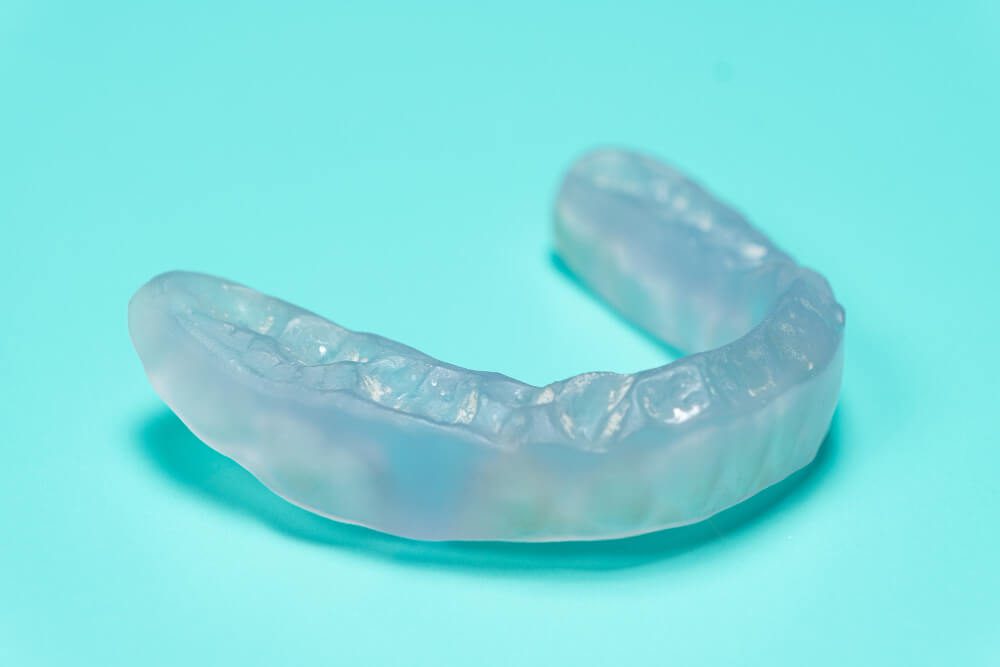
Footy season is an exciting time for many players and families across Australia. Whether it’s rugby league, AFL, or school football competitions, the fast-paced nature of the game means physical contact is common.
A split-second impact during a tackle or collision can result in broken teeth, jaw injuries, or even tooth loss, leading to painful and complex dental treatment.
Many of these injuries are preventable with the simple use of a well-fitted sports mouthguard.
Wearing a mouthguard during training and games is one of the easiest ways to help protect your teeth, lips, tongue, and jaw while playing contact sports.
Why Are Mouthguards Essential in Sports?
Statistics show that only 36% of children aged 5–17 wear a mouthguard during sports games. Yet sporting accidents remain one of the major causes of dental emergencies.
A mouthguard serves as a protective barrier for your teeth. It absorbs shock and disperses the force of a blow, helping reduce the risk of serious injuries to the teeth, lips, tongue, and jaw.
This protection becomes especially important in contact sports like rugby league and AFL, where tackles, accidental elbows, and head collisions can occur.
Regardless of whether you play competitively or socially, wearing a mouthguard should be considered just as important as other protective gear.
5 Good Reasons to Wear a Sports Mouthguard
- Cushions teeth from strong impact – Helps reduce the risk of cracked, chipped, or knocked-out teeth.
- Protects against jaw joint damage – May help lower the risk of fractures and joint injuries caused by heavy contact.
- Defends against soft tissue injuries – Shields lips, cheeks, and tongue from cuts and bruises.
- Helps reduce jaw impact – Absorbs force and spreads pressure from sudden contact.
- Adds an extra layer of protection during sport – Particularly helpful during high-contact games like football.
Sports That Require Mouthguards
Mouthguards are recommended in any sport where contact with other players, equipment, or hard surfaces is possible.
Some common sports where dental injuries can occur include:
Contact Sports
Contact sports like rugby league, AFL, hockey, and boxing often involve heavy physical contact and tackles, which can put players at a higher risk of injuries to the face.
Court and Field Sports
Basketball, netball, soccer, and baseball can involve accidental elbows, falls, or ball strikes that may damage teeth.
High-Speed or Extreme Sports
Activities such as skateboarding, cycling, skiing, and martial arts can lead to unexpected falls or impacts.
Types of Mouthguards
Choosing the right mouthguard can make a difference in both comfort and protection. The three main types include:
Stock Mouthguards
These are pre-formed and ready to wear. They are inexpensive but often bulky and may not fit well, making breathing and speaking more difficult.
Boil-and-Bite Mouthguards
These can be shaped to fit your teeth after being softened in hot water. They generally offer a better fit than stock mouthguards.
Custom-Fitted Mouthguards
A dentist makes these to fit your teeth more precisely. They are designed to provide improved comfort and stability during sports activities.
A Custom-Fitted Mouthguard Should Be
- Comfortable – Designed to fit snugly without irritation
- Well-fitting – Stays in place without shifting or falling out
- Allows clear speech – Does not interfere with talking or breathing
- Secure – Protects without feeling bulky
The Australian Dental Association (ADA) recommends considering a custom-fitted mouthguard for sports where facial contact may occur.

How Mouthguards Help Reduce Dental Injuries
Using a mouthguard can help reduce the risk of several types of dental trauma, including:
- Tooth Fractures and Breakages – A direct blow to the mouth can crack or break teeth, requiring complex restorative procedures such as crowns or implants.
- Tooth Loss – A knocked-out tooth is an oral emergency that must be treated immediately to preserve the tooth or consider replacing it.
- Jaw Injuries – Mouthguards help cushion the jaw, reducing the risk of fractures or dislocations caused by impact.
- Soft Tissue Injuries – Biting down during effects can cause severe cuts to the lips, tongue, and cheeks. A mouthguard helps create a barrier between the teeth and soft tissues.
Caring for Your Mouthguard
To keep your mouthguard clean and effective, follow these simple care tips:
- Rinse it with cold water or mouthwash before and after each use
- Store it in a ventilated container to help prevent bacterial growth
- Keep it away from high heat, which may change its shape
- Check for wear regularly, and replace it if it gets loose or broken.
Make Mouthguards a Habit This Footy Season
Some athletes avoid wearing mouthguards because they feel uncomfortable at first. However, consistent use plays an important role in helping reduce dental injuries during sport.
Parents, coaches, and sports organisations can encourage players to wear mouthguards during both training sessions and matches. Developing this habit early helps promote safer participation in contact sports.
FAQ
Do children playing football need a mouthguard?
Children who participate in contact sports such as rugby league or AFL are often encouraged to wear mouthguards to help reduce the risk of dental injuries during games and training.
Are custom mouthguards better than store-bought ones?
Custom mouthguards are crafted to closely match the shape of your teeth, providing better comfort and a secure fit while playing sports.
How often should a sports mouthguard be replaced?
Mouthguards should be checked regularly for signs of wear. As children and teenagers grow, their teeth and jaws change, so they might need to replace their mouthguards more often.
Can a mouthguard prevent all dental injuries?
While a mouthguard cannot prevent every accident, it can significantly lower the risk and seriousness of dental injuries in contact sports.
Stay Protected This Footy Season with Custom Mouthguards in Bondi Beach
If you or your child is playing football this season, wearing a properly fitted mouthguard can help reduce the risk of dental injuries on the field.
At Bondi Dental, we provide custom sports mouthguards that fit comfortably and protect during sporting activities.
Call your Bondi dentist on (02) 9365 7187 or book your appointment online to organise a sports mouthguard before the season begins.
Visit us at 134 Curlewis St in Bondi Beach.