
Teeth Sensitivity After Whitening: What to Expect and How to Manage It

Teeth whitening is one of the most popular cosmetic dental treatments — fast, non-invasive, and effective at delivering a brighter smile. But if you’ve finished a whitening session and felt a sharp twinge when drinking cold water, you’re not alone. Sensitivity after whitening is one of the most common concerns patients raise, and it’s worth understanding before you start treatment, not after.
Is Sensitivity After Whitening Normal?
Yes — and it’s more common than most people expect.
Sensitivity after whitening is a well-recognised side effect, not a sign that something has gone wrong. Whitening agents temporarily alter the enamel structure, making teeth more reactive to temperature and pressure. For most people, it resolves within 24 to 72 hours and feels like a brief, sharp twinge rather than a persistent ache.
Your teeth aren’t damaged. Your mouth is going through a short recovery period, which is entirely normal.
What Causes Post-Whitening Sensitivity?
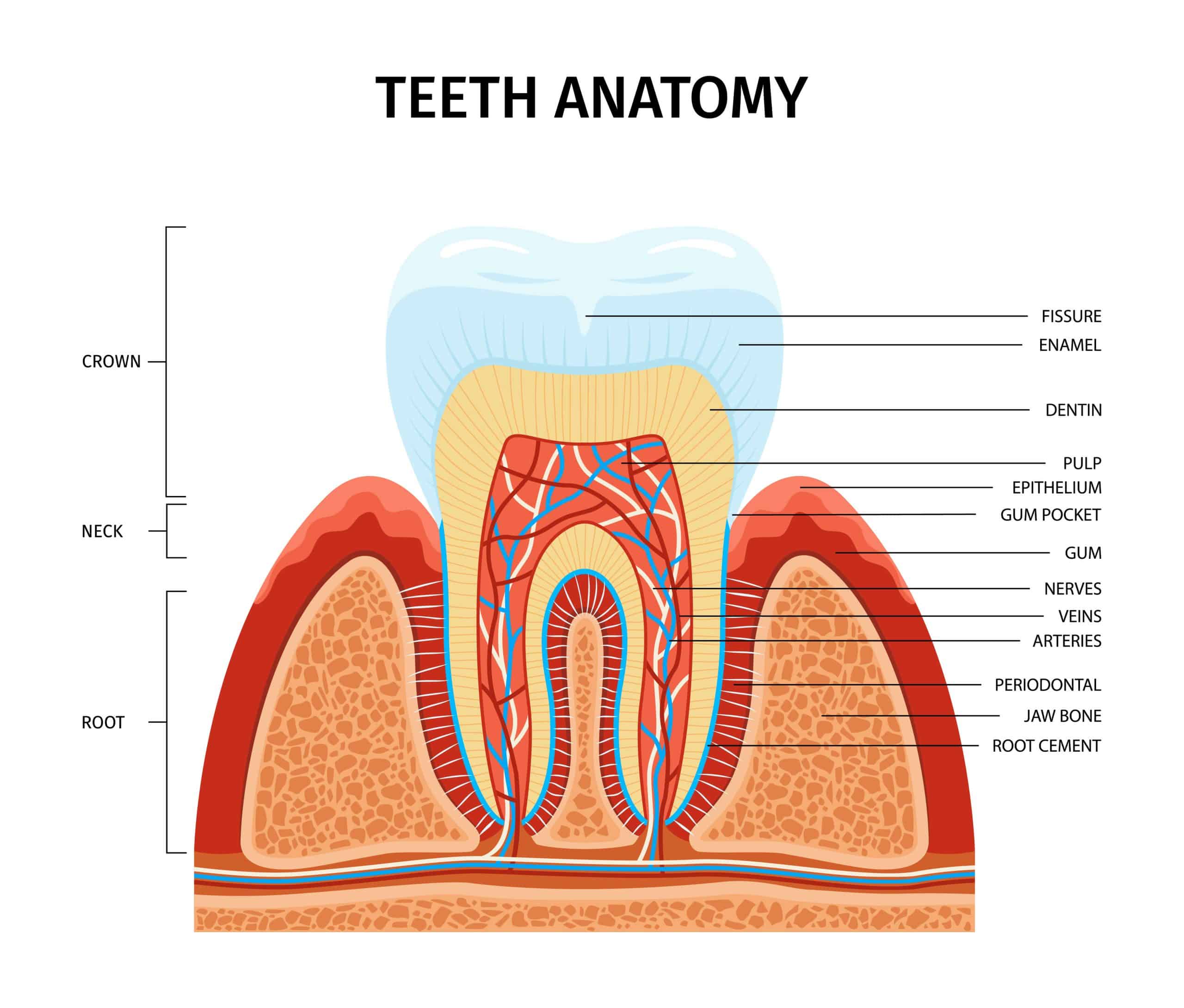
Beneath the enamel is a porous tissue called dentine, which contains tiny channels called dentinal tubules that connect to the tooth’s nerve. By penetrating the enamel and dissolving stain molecules, hydrogen peroxide- or carbamide peroxide-containing whitening gels temporarily open those tubules. That’s what makes the nerve more responsive to heat, cold, and pressure.
Several factors influence the probability and severity of sensitivity:
- Higher peroxide concentration — stronger gels are more effective but more likely to cause sensitivity in susceptible patients.
- Longer application time — greater peroxide penetration increases the effect on tubules
- Pre-existing conditions — thin enamel, gum recession, exposed roots, or untreated decay all amplify sensitivity.
- Back-to-back sessions — insufficient recovery time between treatments compounds the issue
These factors don’t rule out — they just mean your dentist should know your history before treatment starts.
How to Manage Sensitivity After Whitening
Most post-whitening sensitivity is mild to moderate and manageable with a few simple steps.
Use a desensitising toothpaste.
Products containing potassium nitrate or stannous fluoride block and calm the dentinal tubules. Start using one at least two weeks before whitening — don’t wait until sensitivity sets in, as it’s harder to manage after the fact. Continue for several days post-treatment.
Avoid temperature extremes for 48 hours.
Skip very hot or cold food and drinks for two days after whitening. The tubules are more open during this window, so that temperature triggers will feel more pronounced.
Use a straw for cold drinks.
Reduces direct contact with the teeth, helping minimise that sharp sensation.
Fluoride rinse
Fluoride supports enamel remineralisation after whitening. Using a fluoride mouthwash once or twice in the days following treatment can reduce sensitivity and aid recovery.
Soft-bristle brush, gentle pressure
Hard brushing on sensitive teeth makes things worse. Use a soft-bristle brush with light, circular strokes — especially in the 48 to 72 hours post-treatment.
Before Whitening: How to Reduce Your Sensitivity Risk
Start desensitising toothpaste early.
Two weeks before treatment is the most effective window. By the time the gel is applied, your teeth have some built-in tolerance.
Resolve any existing dental issues first.
Whitening over untreated decay, cracked teeth, or active gum disease is clinically inadvisable and can cause significant discomfort. Any outstanding work should be completed before whitening begins.
Discuss your sensitivity history.
If you’ve had sensitivity from previous teeth whitening or generally have sensitive teeth, tell your dentist before treatment. Concentration, application time, and product selection can all be adjusted accordingly.
When to Contact Your Dentist
Most post-whitening sensitivity resolves without intervention. Contact your dentist if you experience:
- Sensitivity lasting more than a week
- Severe or throbbing pain
- Gum irritation that isn’t improving after two to three days
- Any symptoms that weren’t present before treatment
These don’t always indicate serious damage, but they warrant a professional assessment rather than waiting it out.
Frequently Asked Questions
How long does sensitivity after whitening last?
For most patients, 24 to 72 hours. It can extend up to a week after higher-concentration in-chair treatments. Beyond seven days, see your dentist.
Can I whiten again if I had sensitivity the first time?
In most cases, yes. Lower concentrations, longer intervals between sessions, and proper desensitising preparation typically make repeat treatments more comfortable.
Does sensitivity mean my teeth are damaged?
No. It’s a normal physiological response. The tubules that open during treatment close again within days, and sensitivity alone is not an indicator of damage.
Does in-chair whitening cause greater sensitivity than take-home whitening?
In-chair whitening uses higher concentrations, which can produce more noticeable sensitivity, though results are faster. Take-home trays use lower concentrations over a longer period, which suits some patients better. The right choice depends on your teeth and sensitivity history — your Bondi Beach dentist can advise.
Teeth Whitening in Bondi Beach
If you’re considering teeth whitening — or you’ve had sensitivity before and want a more comfortable experience — the team at Bondi Dental can help.
We see patients from Bondi Beach, Bondi Junction, Bronte, Tamarama, and North Bondi. We assess your suitability, review your teeth sensitivity history, and recommend a treatment that suits your teeth — not a one-size-fits-all approach.
Call us on 02 9365 7187 or book online. You’ll find us at 136 Curlewis St, Bondi Beach.